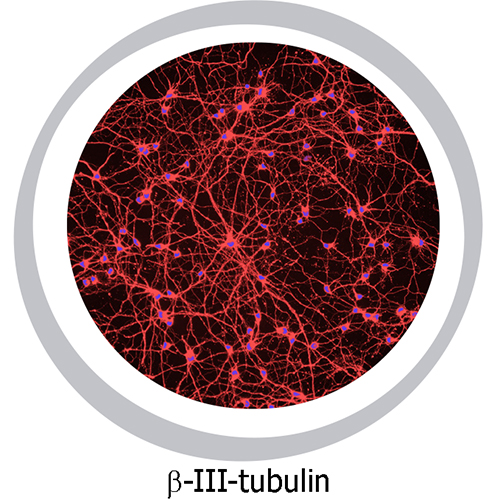
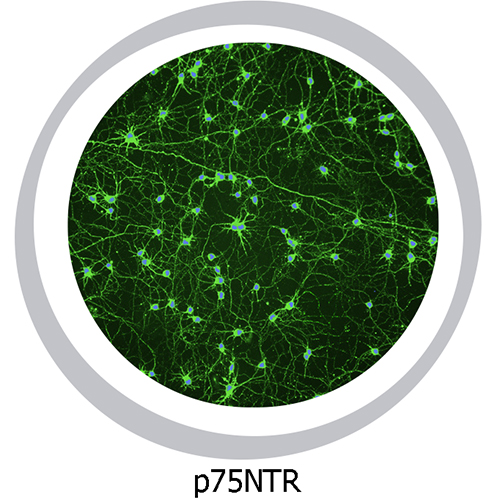
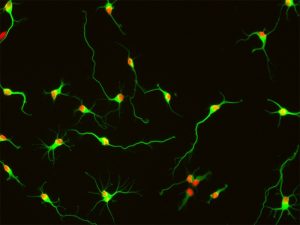
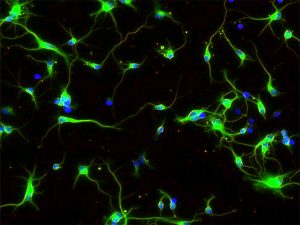
Rat spinal motor neurons, situated within the anterior horn of the spinal cord’s gray matter, exhibit distinct morphological features. These neurons play a pivotal role in transmitting signals from the central nervous system to muscles. The axons of these motor neurons extend peripherally, forming the efferent pathway that culminates in neuromuscular junctions.
Functionally, spinal motor neurons are integral to the orchestration of muscle contractions, contributing to various motor activities; such as locomotion and posture maintenance. Notably, these neurons form motor units, where each neuron innervates multiple muscle fibers. The communication between rat spinal motor neurons and muscles at the neuromuscular junction involves the release of neurotransmitters.
This functional diversity among spinal motor neurons underscores their significance in motor control. Research employing rat models contributes substantially to neuroscience, serving as a valuable tool to unravel the intricacies of motor function. Moreover, these studies aid in investigating neurodegenerative diseases, spinal cord injuries, and motor neuron disorders, offering crucial insights with translational relevance to human health.
In conclusion, a comprehensive understanding of rat spinal motor neurons is imperative for unraveling fundamental aspects of the nervous system. The morphological characteristics, functional roles, and the translational impact of research involving these neurons contribute significantly to our broader comprehension of motor control and its implications for human health and pathology.


 See more details on Bioz